Introduction
Pharmacovigilance has never been static, but the last few years have pushed the field into a new phase. The volume and complexity of safety data – especially from real‑world sources – now grow faster than most PV systems can manage. Daily case intake is increasing, narratives are longer, and the expectations from regulators keep climbing.
This is the backdrop against which AI is being introduced. Not as a magic button, but as a set of tools that can realistically help PV teams keep up with operational demands while maintaining scientific quality.
Where AI Is Actually Being Used in PV Today
- Automated Adverse Event (AE) Reporting: Automated case processing and natural language processing (NLP) reduce time spent on repetitive tasks, freeing specialists for higher-value activities. NLP tools can extract and code adverse events from unstructured text such as medical notes or social media posts.
- Signal Detection & Risk Prediction: AI-driven algorithms can identify patterns and correlations faster than human experts, supporting earlier detection of potential safety issues.
- Case Prioritization: AI can triage incoming safety cases based on severity and relevance, ensuring critical risks are addressed first.
- Data Explosion: Sources like electronic health records, patient registries, and even wearable devices generate huge volumes of safety-related data. Manual analysis is no longer sufficient. AI helps process this complexity at scale.
- Patient-Centric Insights: Analysis of patient-reported outcomes and wearable data provides a more holistic view of drug safety in real-world conditions.
The European Regulatory Reality
Instead of broad statements, here’s what is actually relevant in day‑to‑day PV practice:
- EMA’s 2024 AI Reflection Paper stresses that MAHs must document how AI tools are used, where, under whose oversight, and how risks are mitigated.
- EU AI Act (published in 2024 July) treats most PV‑related AI systems as high-risk, meaning:
- strict validation
- continuous monitoring
- auditability
- transparency of outputs
- GVP Module updates are being updated to consider digital and AI-driven innovations.
This means PV organisations cannot simply “turn on” AI tools – they will need governance frameworks, SOP updates, and clear justification for every AI-driven step.
What AI Cannot Replace in PV
While AI can process data faster than ever before, it lacks clinical judgment, contextual understanding, and ethical responsibility. These are areas where trained pharmacovigilance specialists remain indispensable. For example:
- Case Assessment: AI can flag potential risks, but human experts decide if a true safety signal exists.
- Regulatory interpretation: Decisions related to RMP updates, signal validation, or PSUR conclusions require reasoning that AI cannot perform reliably.
- Contextual Interpretation: Subtle factors – comorbidities, drug interactions, or cultural differences in reporting – require human insight.
- Strategic Decision-Making: Final safety recommendations, regulatory communication, and risk management always require expert oversight.
- Cross-functional communication: PV interacts daily with medical affairs, regulatory affairs, clinical operations, and even commercial teams. AI cannot replace this coordination.
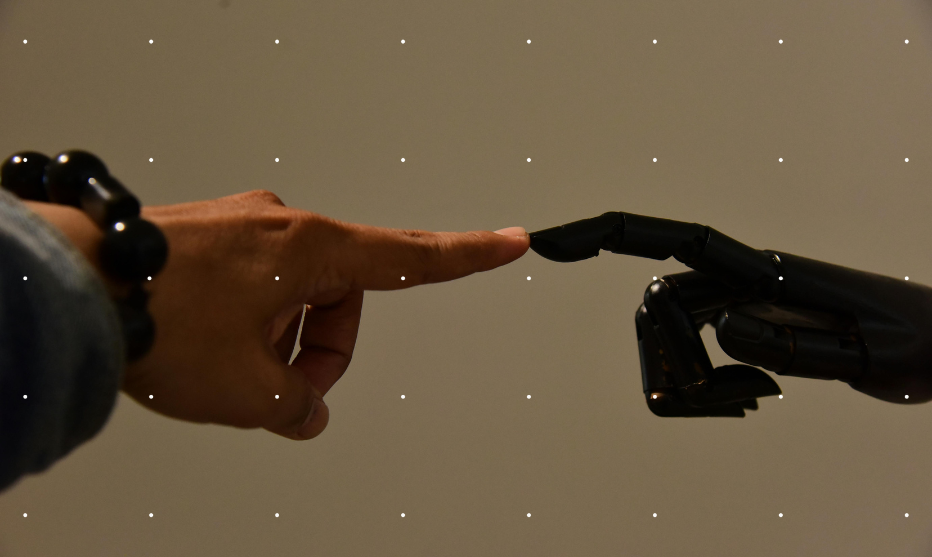
In short, AI is a powerful assistant – not a replacement. It enhances, but cannot replicate, the critical role of pharmacovigilance professionals.
Opportunities – What They Mean for PV professionals
- More predictable case processing timelines
- Earlier detection of safety risks.
- Better capacity planning based on real‑time workload forecasting
- Fewer manual repetitive tasks (coding, data extraction, quality checks)
- Improved compliance with strict regulatory timelines.
- Stronger focus on patient safety through combined human-AI collaboration.
Challenges & Ethical Considerations
- Protecting personal data:
Working with sensitive health information means strict adherence to GDPR requirements. Ensuring data is handled securely and only for its intended purpose remains a core responsibility for any PV service provider. - Making AI decisions understandable:
Some AI tools operate as “black boxes,” offering outputs without clear reasoning. This lack of transparency can be problematic in pharmacovigilance, where every safety‑related decision must be explainable and defensible. - Staying aligned with varied EU regulations:
Since regulatory expectations may differ across EU member states, maintaining consistent compliance can be challenging. Harmonization is essential for providers supporting clients across multiple markets. - Keeping humans in control:
While AI can support routine tasks, the interpretation of safety data still requires expert judgment. Human oversight must remain central to ensure that AI complements, rather than replaces, professional decision‑making in PV workflows.
The Future Outlook
The most effective model for the future of pharmacovigilance in Europe will be a hybrid approach: AI will handle routine, high-volume tasks, while human experts provide judgment, contextual interpretation, and strategic oversight. This collaboration will enable safer, faster, and more reliable drug safety monitoring -ensuring patients continue to benefit from both innovation and trusted expertise.
Conclusion
Artificial Intelligence is transforming how pharmacovigilance operates, but it isn’t replacing the experts who guide these processes. Instead, it serves as a supportive tool – taking over routine, time‑consuming tasks so specialists can concentrate on their core responsibility: safeguarding patients. For pharmaceutical companies, the real advantage comes from pairing advanced AI technologies with skilled pharmacovigilance professionals who understand both the science and the regulatory landscape in Europe.